How Pinot Noir Differs Across New Zealand
New Zealand has earned a global reputation as a leading home of Pinot Noir. But once you start exploring, it quickly becomes clear that ‘NZ Pinot’ isn’t one single style. It’s a range of expressions shaped by region, climate and soil.
From the rugged landscapes of Central Otago to the windswept vineyards of Martinborough, Pinot Noir reflects where it’s grown more than most grape varieties.
At Fine Wine Delivery, our tasting panel rejects over 50% of the wines we try, so only the most balanced and expressive examples make it into our range. Here’s a practical guide to understanding how Pinot Noir styles differ across New Zealand and how to find one that suits your taste.
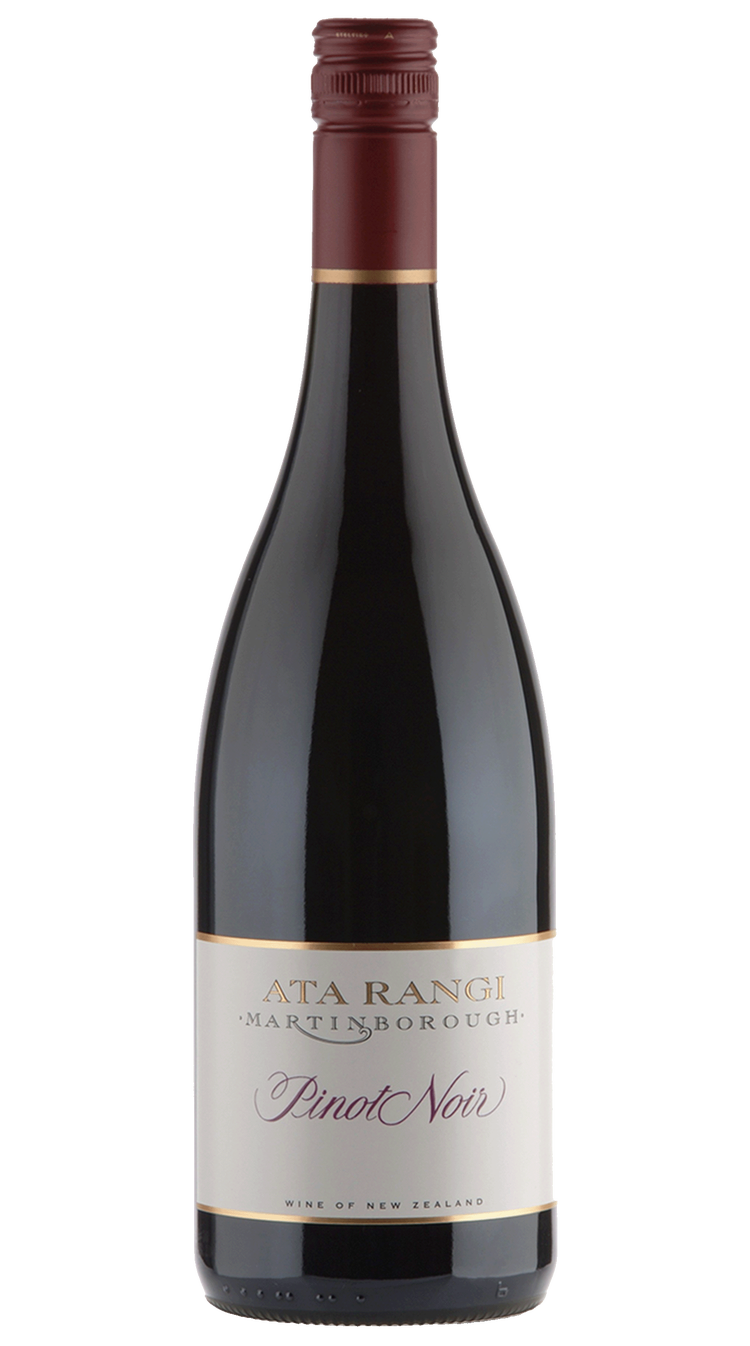
Martinborough: Savoury & Structured
If you enjoy the structural, earthy complexity of Burgundy, Martinborough is a great place to start.
What shapes the style:
Free-draining river terraces and strong north-westerly winds lead to smaller berries and more concentrated flavours.
What to expect in the glass:
These wines lean less on fruit and more on savoury character. Think dark cherry, plum, dried herbs and earthy notes like forest floor or spice. Tannins tend to be firmer, which means these wines can age well.
*A great match for dinner parties or when paired with food.
Worth Exploring
- Ata Rangi Pinot Noir: Often considered a benchmark Pinot Noir in New Zealand; complex, savoury, and built for a decade in the cellar.
- Martinborough Vineyard ‘Te Tera’: Benchmark value that offers the classic savoury-meets-fruit profile.
Marlborough: Bright and Easy
Marlborough may be best known for Sauvignon Blanc, but its Pinot Noir is increasingly popular for its approachable style.
What shapes the style:
High sunshine hours and cool nights help preserve freshness and acidity.
What to expect in the glass:
Bright red fruits like raspberry and cherry, with floral notes and a smooth, easy finish. These are often the most immediately drinkable Pinot Noirs.
*Ideal for easy drinking, casual evenings or serving slightly chilled.
Worth Exploring
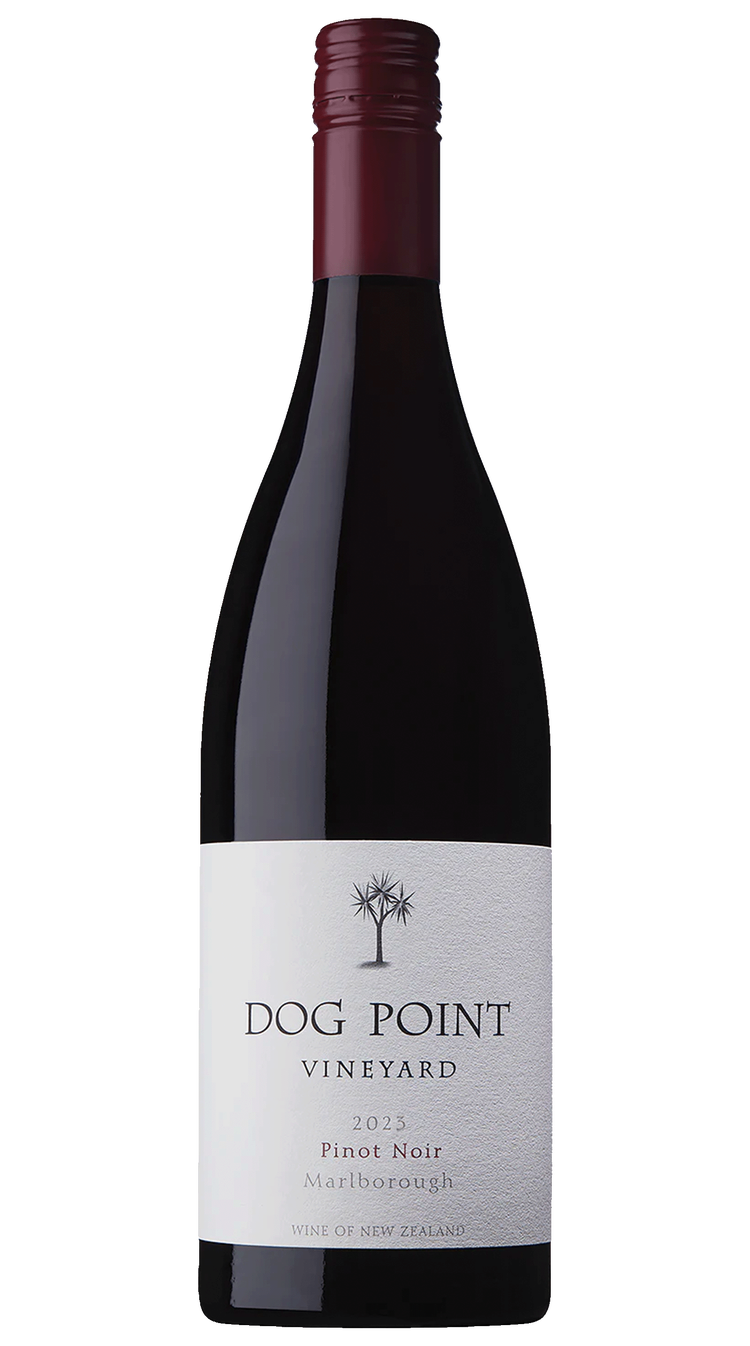
- Dog Point Pinot Noir: Made by the former Cloudy Bay team; bright, floral, and incredibly pure.
- Auntsfield Single Vineyard: Grown on Marlborough’s first vineyard site, offering more muscle and dark fruit.
- Fromm Organic Pinot Noir: A "blockbuster" Marlborough style with exceptional depth.
Central Otago: Rich and Intense
Central Otago produces some of New Zealand’s most recognisable Pinot Noir, known for its depth and power.
What shapes the style:
A semi-continental climate with hot summers, cold winters and schist-rich soils.
What to expect in the glass:
Riper, darker fruit flavours (blackberry, black cherry) often with notes of thyme, spice and a subtle mineral edge. These wines tend to be fuller and more concentrated.
*Suited to richer meals or cooler evenings when you want something more full-bodied.
Worth Exploring
- Felton Road Block 3: A biodynamic cult classic, dense, spicy, and deeply concentrated.
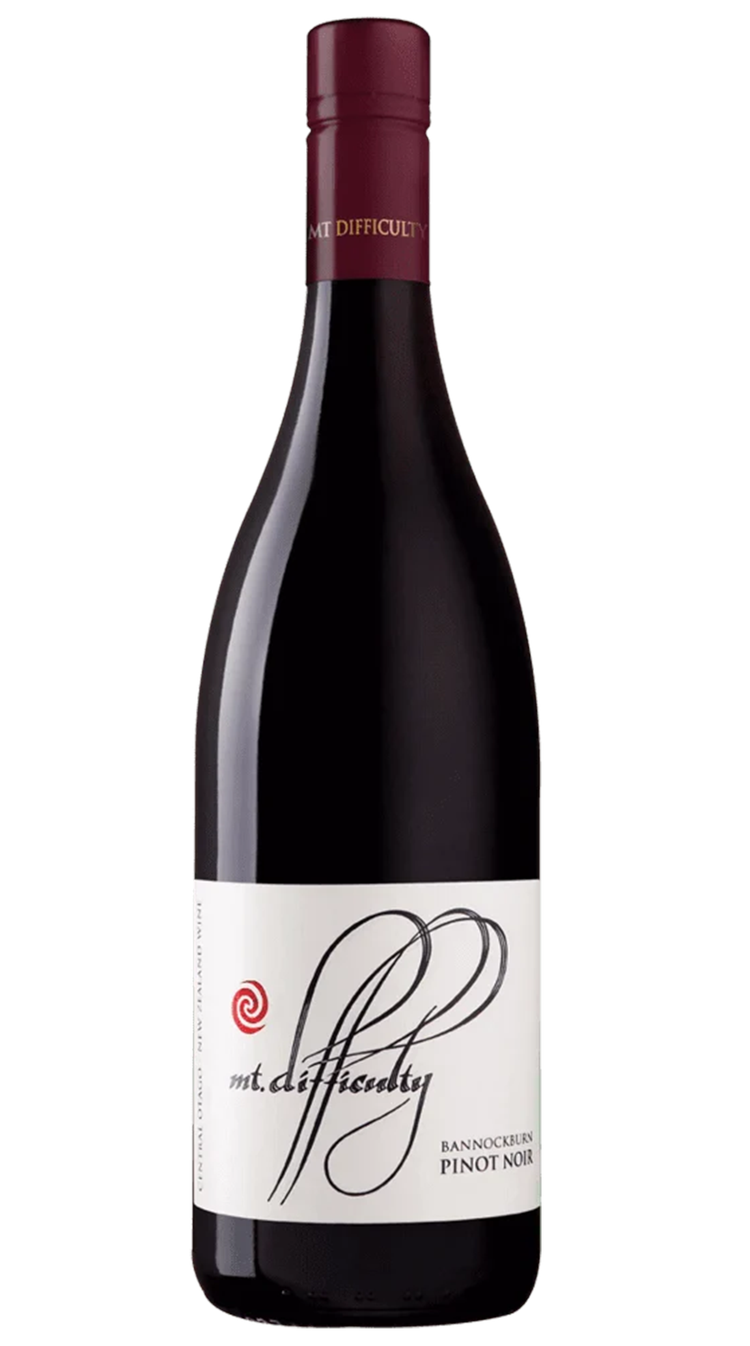
- Mt Difficulty Bannockburn: The perfect balance of dark fruit and that iconic Otago mineral "grip."
- Wild Earth Pinot Noir: A brooding, age-worthy champion of the region.
North Canterbury: Elegant and Mineral
Often a lesser-known region, North Canterbury is gaining attention for its distinctive, refined style.
What shapes the style:
Limestone-rich soils and a sheltered growing environment.
What to expect in the glass:
Concentrated red fruit with a more mineral, chalky structure. These wines often feel elegant and textured rather than fruit-heavy.
*Perfect when you’re after something a little more refined or expressive.
Worth Exploring
- Greystone Thomas Brothers: A hillside expression with thrilling floral aromatics and a chalky finish.
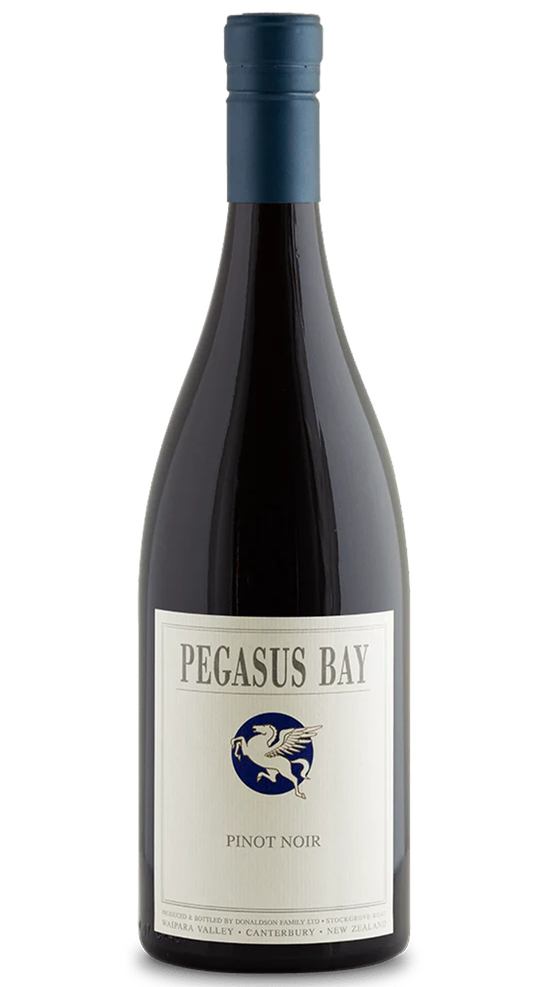
- Pegasus Bay Pinot Noir: Rich, opulent, and famously spicy.
Regional Comparison at a Glance
How to Choose the Right Pinot Noir for Your Taste
If you’re browsing Pinot Noir and not sure which bottle to pick, a few simple cues can make it easier:
- Check the tasting notes: Look for keywords like bright, silky, fresh if you prefer lighter styles, or dark, savoury, structured if you want something with more depth.
- Think about when you’ll drink it: Lighter Pinot Noir works well for casual drinking or warmer evenings, while fuller styles are better enjoyed with food or cooler nights.
- Look at the region as a guide, not a rule: Regions can point you in the right direction, but winemaking style and vintage also play a part, so it’s worth trying a few options.
- Start with a safe pick, then branch out: If you already know a label or producer you enjoy, use that as a starting point before trying something new alongside it.
If you’re still unsure, choosing two different styles to compare side by side is often the quickest way to figure out what you like.
Why Careful Selection Matters
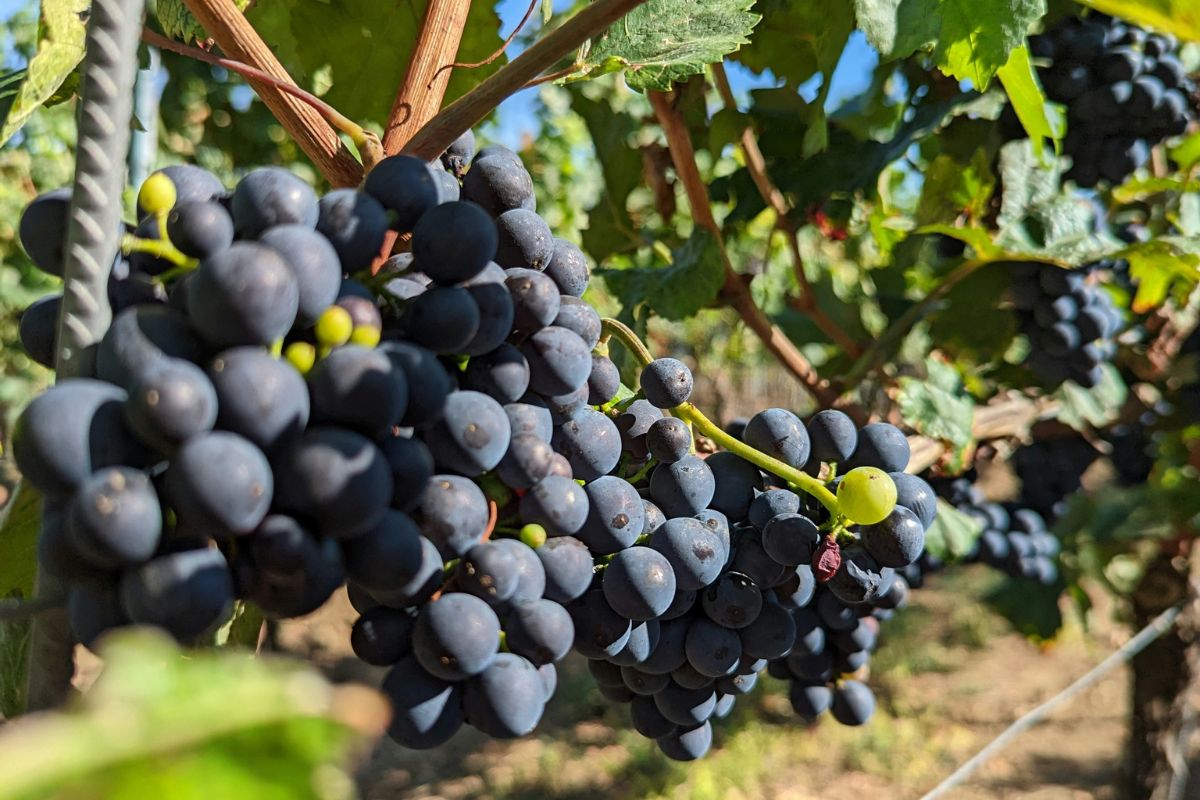
Pinot Noir is often called the “heartbreak grape” because it’s so sensitive to growing conditions. Small changes in weather or vineyard practices can have a big impact on the final wine.
That’s why we take a hands-on approach to selection. Every wine is tasted and assessed before it’s added to our range, so you can be confident you’re choosing something that truly reflects its region and style.
Pro Tip: Pinot Noir is best served slightly cooler than room temperature, around 15–16°C. This helps keep the wine balanced and lets the more subtle aromas and flavours come through.
Our range includes carefully selected Pinot Noir from across leading wine regions, with styles to suit everything from easy-drinking to more complex, cellar-worthy bottles. As you browse, you’ll find tasting notes and guidance to help you compare styles and choose with confidence.